The Year 2038: A World Shaped by Humanoid Robotics

Cizar AbuGhazaleh
AI & Robotics Industry
The Year 2038: A World Shaped by Humanoid Robotics
The year 2038 will mark a profound transformation in how we live, work, and interact with the world around us, driven by the rise of humanoid robotics. As these robots become more advanced and integrated into society, they will revolutionize industries, reshape our daily routines, and redefine the fabric of future smart cities.
Day-to-Day Life in 2038: Humanoids as Essential Companions
Imagine starting your day in 2038. As you wake up, your humanoid robot assistant has already optimized your environment, adjusting the room temperature, light intensity, and even your breakfast based on data gathered from your sleep cycle. These robots, equipped with artificial intelligence and machine learning, will know you better than you know yourself.
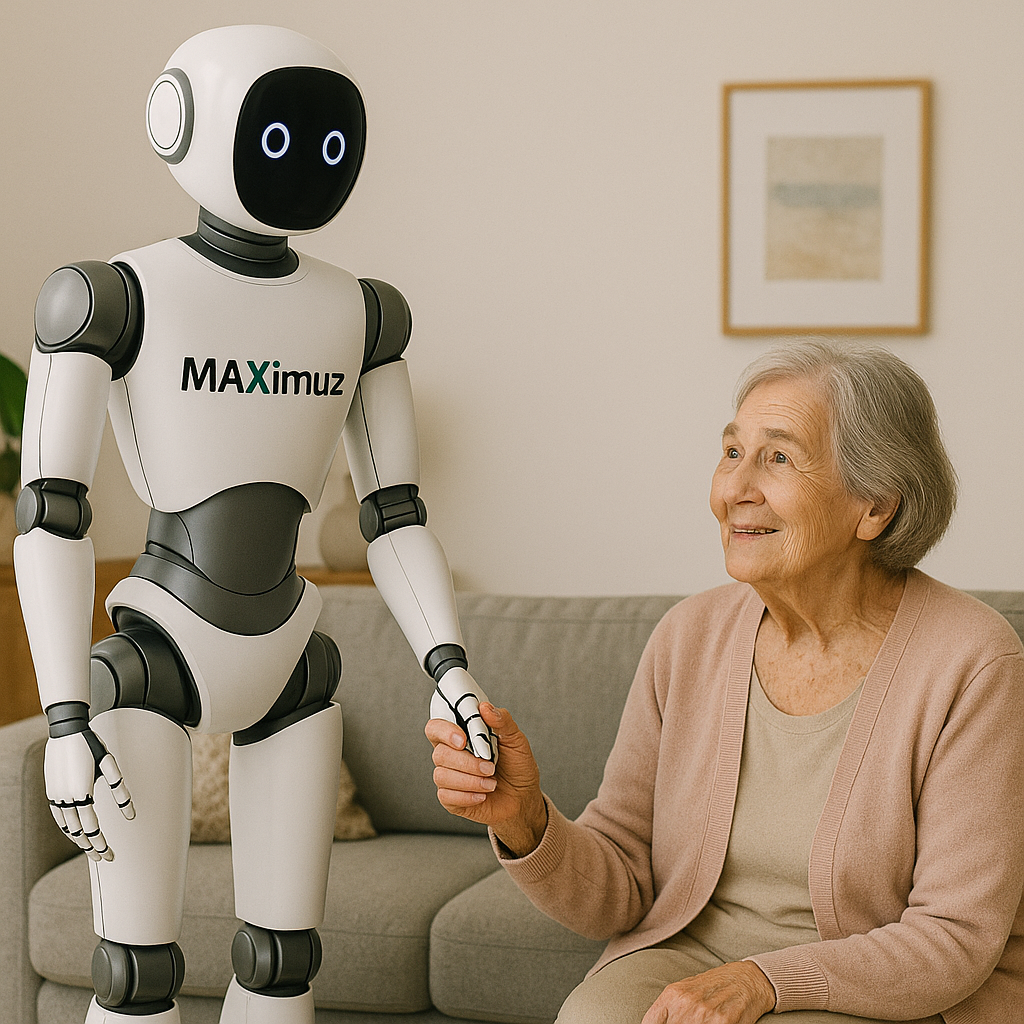
Humanoid robots will be both caregivers and companions for children and the elderly, assisting with education and providing emotional support. These robots will be capable of tailored learning experiences, helping children acquire new skills through interactive lessons while also ensuring the elderly can live independently with a degree of social engagement and care that promotes both physical and mental well-being.
Workplaces Transformed: Collaboration, Not Competition
In 2038, the workforce will be augmented by humanoid robots, but rather than replacing human jobs, these robots will work alongside humans, enhancing productivity and creativity. Imagine an office where robots handle repetitive or dangerous tasks while humans focus on strategy, innovation, and creative problem-solving.
Humanoid robots will also play key roles in fields like construction, agriculture, and space exploration. In construction, humanoid robots equipped with advanced AI will be able to design, 3D print, and assemble buildings at an unprecedented speed. In agriculture, humanoid robots will work to optimize crop yields, manage farms, and ensure sustainable practices to combat climate change.
In space exploration, humanoid robots will be the pioneers, performing tasks in hazardous environments on Mars or the Moon, reducing human risk, and establishing infrastructure for future space colonies.
The Rise of Smart Cities: Robotics as the Core
The emergence of smart cities by 2038 will be driven by a synergy between humanoid robotics, AI, and the Internet of Things (IoT). These cities will be designed for maximum efficiency, sustainability, and comfort. Autonomous humanoid robots will maintain and manage the intricate systems that make smart cities functional.
Imagine living in a city where humanoid robots provide 24/7 services, from traffic control to urban maintenance. They will work in tandem with AI systems to ensure traffic flows smoothly and energy is distributed efficiently. Robots will continuously monitor city infrastructure, identifying and fixing problems before they disrupt daily life.
Societal Changes: A Global Impact
The widespread adoption of humanoid robots by 2038 will significantly impact global society. The line between technology and humanity will blur, prompting new ethical, social, and political questions. As robots become more integrated into everyday life, issues such as robot rights, data privacy, and the impact of robotics on jobs will become central topics of discussion.
Humanoid robots will redefine social interactions. They will act as mediators in conflicts, reduce loneliness, and serve as cultural ambassadors. In an increasingly interconnected world, robots will help bridge language and cultural barriers, fostering greater global cooperation and understanding.
The Role of Humanoid Robots in a Changing World
By 2038, humanoid robots will be woven into the fabric of our daily lives, profoundly influencing how we live, work, and interact with each other and our environment. They will serve as caregivers, assistants, colleagues, and companions.
In this brave new world, humanoid robots will not just serve us but evolve with us, shaping a future that is safer, smarter, and more connected. As we stand on the brink of this new era, the possibilities are as vast as our imaginations.
About the Author
Founder - AI & Humanoid Robotics
AI & Robotics Industry
I'm deeply interested in the future of AI, humanoid robotics, and how technology can enhance human capability, not replace it. I value long-term thinking, strong partnerships, and building teams that execute with purpose. Always open to meaningful conversations around technology, partnerships, and building what's next.
Follow on LinkedInRelated Articles
Discover Your Ideal Learning Path
Take our interactive quiz and get personalized recommendations based on your level and goals.
Start the Quiz