
Humanoid Robotics and AI: Why the Next 5–10 Years Matter

Cizar AbuGhazaleh
AI & Robotics Industry
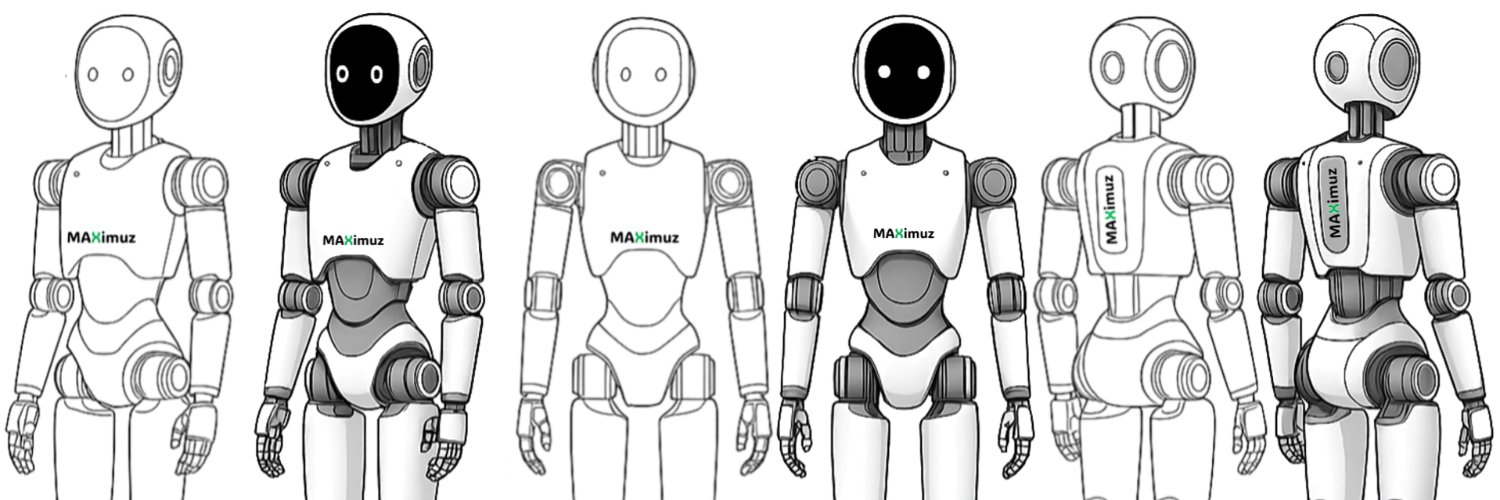
Originally published on: IBM TechXchange Community
What if your next colleague isn't human—but a humanoid robot powered by AI?
That may sound like science fiction, but for those building these systems, the future is arriving faster than many realize.
Over the next decade, humanoid robots will move from being experimental prototypes to becoming practical, scalable, and affordable solutions across industries such as healthcare, education, logistics, and smart cities. The questions being asked today by hospitals, schools, and enterprises aren't "*Can we build a robot?*" but rather "*How do we deploy it effectively and make it work with our existing systems?*"
Why This Decade Is the Tipping Point
Three forces are converging to accelerate adoption:
1. AI and Machine Learning Advancements
Large language models and adaptive vision systems now allow robots to understand context, communicate naturally, and learn from interaction.
2. Enterprise-Grade Computing
Hybrid cloud, edge AI, and high-performance platforms are enabling humanoid robots to make real-time, trustworthy decisions.
3. Market Demand
Workforce shortages, aging populations, and operational resilience are driving industries to seriously explore robotics—not in theory, but in practice.
What the Next 5–10 Years Could Look Like
Here's where we'll likely see the biggest breakthroughs:
Healthcare
Humanoid robots will not only deliver medication but also integrate with patient data systems to provide real-time monitoring and alerts.
Education
Robots will move from being "classroom novelties" to personalized learning assistants, helping students learn languages, STEM, and even soft skills.
Smart Infrastructure
Imagine airports where humanoid robots perform safety checks, assist elderly passengers, and interact with IoT systems to maintain operations.
Enterprise Operations
Beyond physical tasks, humanoid robots will be data conduits, feeding information into enterprise AI systems and automation platforms.
By 2035, humanoid robots won't just be assistants—they'll manage entire service ecosystems, coordinating between people, machines, and data systems.
The Hard Realities We Face
As exciting as this is, building robots isn't the hard part anymore—deploying them is. A few of the challenges ahead include:
Ethics & Trust
Robots must be designed to operate transparently, within safe boundaries, and with strong AI governance.
Cost & Scalability
Today, building a humanoid robot is possible. Scaling them to be affordable and reliable for every hospital, school, or enterprise is the real challenge.
Integration
This is perhaps the biggest bottleneck. Robots need to connect seamlessly with enterprise platforms, hybrid cloud ecosystems, and AI governance frameworks. Without this, they remain expensive experiments rather than working solutions.
This is where work in responsible AI, governance, and hybrid cloud becomes critical to moving humanoid robotics from promise to practice.
A Call to the Community
The next decade will define how humanoid robots become part of our work and our cities. The real question isn't "*Will humanoid robots take our jobs?*" but rather "*How do we prepare ourselves and our industries to work alongside them?*"
Consider these questions:
The next colleague you onboard might just be made of circuits and code.
*This article was originally published on the [IBM TechXchange Community](https://community.ibm.com/community/user/discussion/humanoid-robotics-and-ai-why-the-next-510-years-matter) in the Global AI and Data Science group.*
About the Author: Cizar Abughazaleh is the Chief Executive Officer of MAXimuz Technology, focusing on the intersection of AI and humanoid robotics for real-world enterprise applications.
About the Author
Founder - AI & Humanoid Robotics
AI & Robotics Industry
I'm deeply interested in the future of AI, humanoid robotics, and how technology can enhance human capability, not replace it. I value long-term thinking, strong partnerships, and building teams that execute with purpose. Always open to meaningful conversations around technology, partnerships, and building what's next.
Follow on LinkedInRelated Articles
Discover Your Ideal Learning Path
Take our interactive quiz and get personalized recommendations based on your level and goals.
Start the Quiz