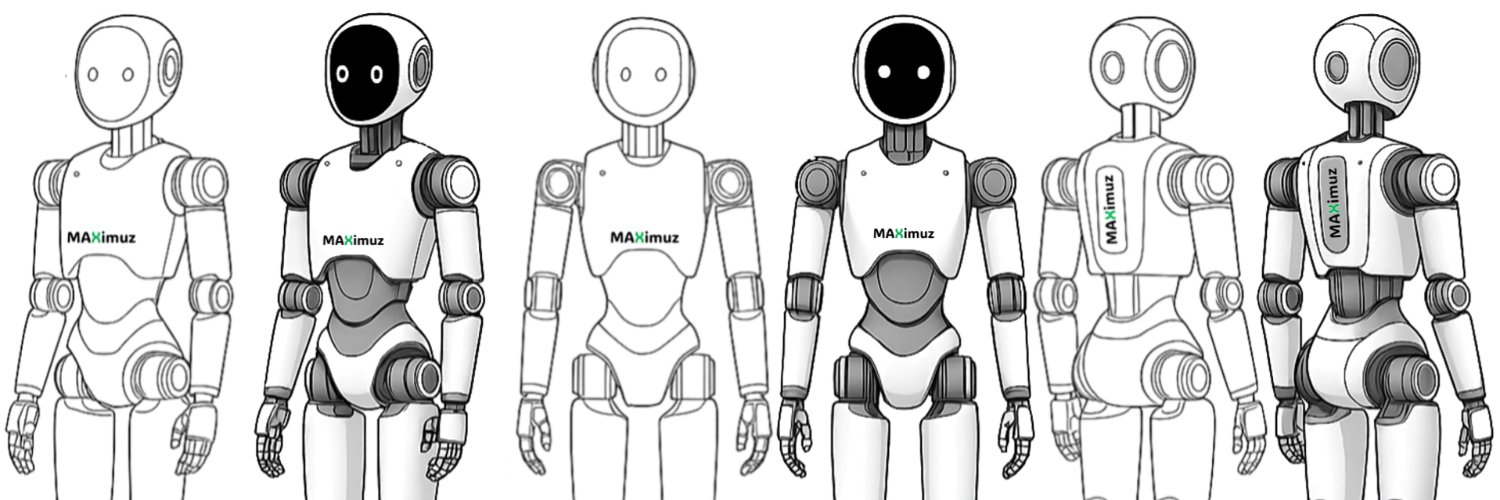
Robotics: Challenges & Opportunities

Cizar AbuGhazaleh
AI & Robotics Industry

Robotics: Challenges & Opportunities
Robotics and humanoid robotics have been a topic of interest for many years, with the promise of improving efficiency, productivity, and safety. However, despite the significant advances in technology, the adoption of robotics has been slower than anticipated.
Challenges Facing Robotics
Cost
One of the major challenges is the cost of implementation. While robotics technology has been advancing, it still remains expensive. According to the International Federation of Robotics (IFR), the average cost of an industrial robot is around $50,000, which is beyond the reach of many companies.
Integration
Companies need to restructure their processes to accommodate robots, which can be time-consuming and expensive. Additionally, robots require specialized maintenance and training, adding to the cost of implementation.
Safety Concerns
Robots can pose a safety risk to humans if not designed and programmed correctly. According to NIOSH, there were 61 robot-related injuries in the US between 2007 and 2016.
Challenges Facing Humanoid Robotics
Complexity
Humanoid robots are more complex than industrial robots, requiring advanced sensors, actuators, and algorithms to mimic human movements and behaviors.
Technical Challenges
Humanoid robots face challenges including balance and mobility. They need to move in a way similar to humans, requiring advanced control algorithms and sensors.
Social Acceptance
The idea of robots that look and act like humans can be unsettling. There are concerns about the potential impact on employment and social implications of robots replacing human workers.
Potential Solutions
Safety: Implement sensors, software, and protective covers to minimize accident risk. Provide training programs for safe operation.
Integration: Provide easy-to-use programming interfaces for non-technical users. Design robots that are flexible and adaptable.
Cost: Utilize economies of scale, simplify manufacturing, and offer leasing options.
Social Acceptance: Be transparent about data collection, educate the public about benefits, and design with privacy in mind.
Looking Forward
According to the IFR, the number of robots in use worldwide is expected to reach 3.1 million by 2023. The humanoid robotics market is projected to grow at 36.8% annually from 2020 to 2027.
While robotics faces several challenges, the growth is expected to continue, driven by increasing demand for automation and advances in technology. Overcoming these challenges will require continued research, development, and close collaboration between researchers, manufacturers, and end-users.
About the Author
Founder - AI & Humanoid Robotics
AI & Robotics Industry
I'm deeply interested in the future of AI, humanoid robotics, and how technology can enhance human capability, not replace it. I value long-term thinking, strong partnerships, and building teams that execute with purpose. Always open to meaningful conversations around technology, partnerships, and building what's next.
Follow on LinkedInRelated Articles
Discover Your Ideal Learning Path
Take our interactive quiz and get personalized recommendations based on your level and goals.
Start the Quiz