When AI Takes Physical Shape

Cizar AbuGhazaleh
AI & Robotics Industry
When AI Takes Physical Shape
For decades, Artificial Intelligence has existed as something we interact with but cannot touch. We type commands, ask questions, and watch algorithms process data at unimaginable speed. AI has powered search engines, translated languages, recognized faces, and predicted what we want to buy before we know it ourselves. Yet, despite its presence, AI has always felt invisible. It was everywhere and nowhere at the same time.
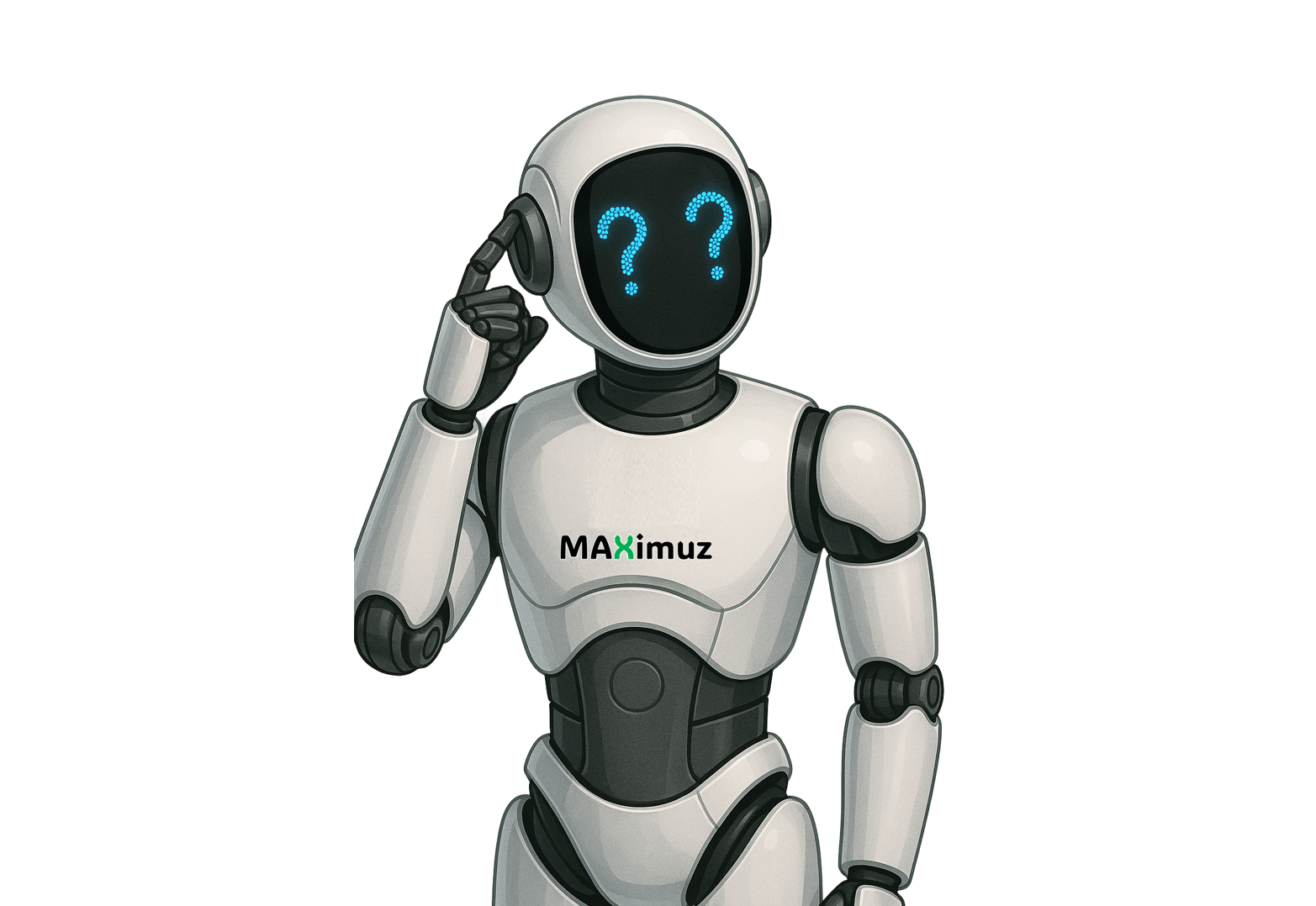
But what happens when AI takes physical form? When intelligence, once confined to the digital, manifests in machines that walk among us? To understand this transformation, we first need to revisit the journey of AI itself.
The Three Faces of AI: ANI, AGI, and ASI
From the Invisible to the Tangible
So far, AI has lived in the intangible: code, data, and cloud-based intelligence. But now we are watching the shift. AI is starting to inhabit bodies—physical entities that can move, interact, and share space with us.
Enter humanoid robotics.
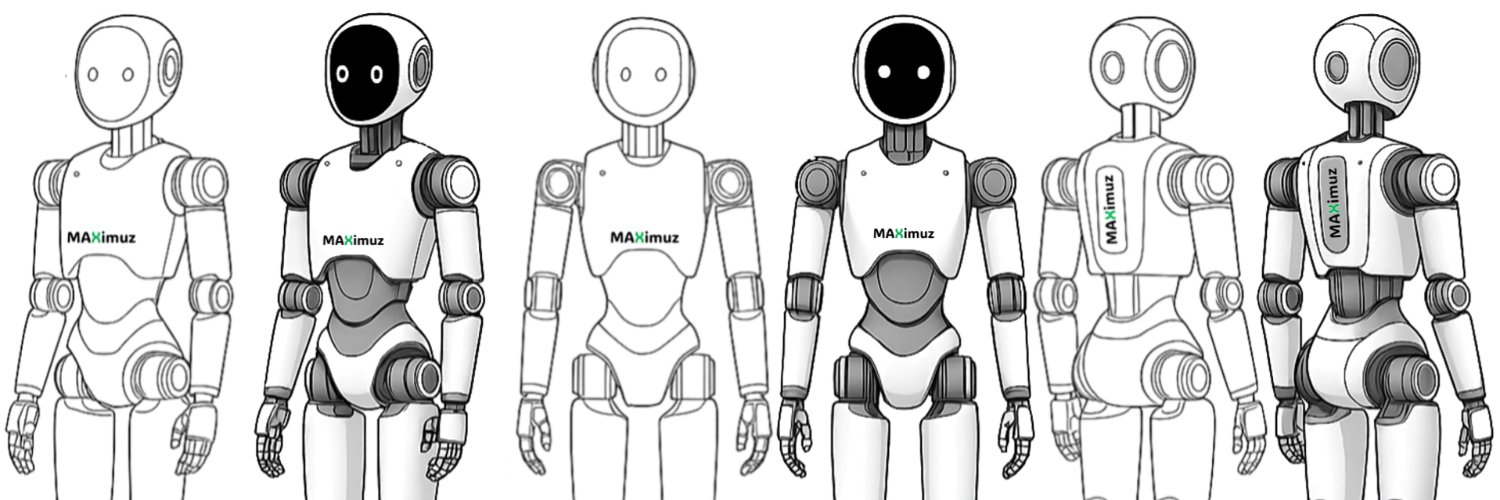
These machines are not just mechanical arms in factories or delivery drones in the sky. They are human-shaped embodiments of AI—machines designed not only to work but also to exist alongside us in environments built for people. A humanoid robot with AI is not merely a tool; it is a presence.
Why Physical Shape Changes Everything
When AI takes physical form, society faces an entirely new set of questions:
The transition from screen-based AI to embodied AI is not a technical leap—it's a cultural one. It changes how we perceive intelligence, labor, and even companionship.
The Future: AI in Smart Cities and Societies
Imagine walking through a smart city of the 2030s or 2040s. The infrastructure itself runs on AI: energy grids balancing loads in real time, traffic systems eliminating congestion, and healthcare systems predicting outbreaks before they spread. But within this ecosystem walk AI in physical form: humanoid robots patrolling for safety, teaching in classrooms, assisting the elderly, or greeting travelers at airports.
At first, they will serve as assistants, filling labor shortages and handling repetitive tasks. Over time, as AGI matures, they may become partners or collaborators in innovation, governance, and even creativity. By the time ASI takes physical shape, we may face the most profound societal question of all: What role remains uniquely human?
The Unsettling and Exciting Horizon
There's something both thrilling and unsettling about this future. On one hand, humanoid robotics could usher in a golden era of productivity, healthcare, and global problem-solving. On the other hand, they may challenge our sense of purpose, raise ethical dilemmas, and force us to rethink laws, rights, and even relationships.
When AI takes physical shape, it's not just a new chapter of technology—it's a new chapter of humanity.
Your Turn
What do you think? Would you welcome an AI-powered humanoid colleague into your workplace or home? Would you trust them to teach your children, or care for your parents? Or does the thought still feel like science fiction that crosses into something too human?
Let's start the conversation. The future isn't just coming—it's walking toward us.
About the Author
Founder - AI & Humanoid Robotics
AI & Robotics Industry
I'm deeply interested in the future of AI, humanoid robotics, and how technology can enhance human capability, not replace it. I value long-term thinking, strong partnerships, and building teams that execute with purpose. Always open to meaningful conversations around technology, partnerships, and building what's next.
Follow on LinkedInDiscover Your Ideal Learning Path
Take our interactive quiz and get personalized recommendations based on your level and goals.
Start the Quiz