
The Digital-Physical Convergence: How AI and Robotics Are Reshaping Work

Ricardo Martinez
MAXimuz Technology
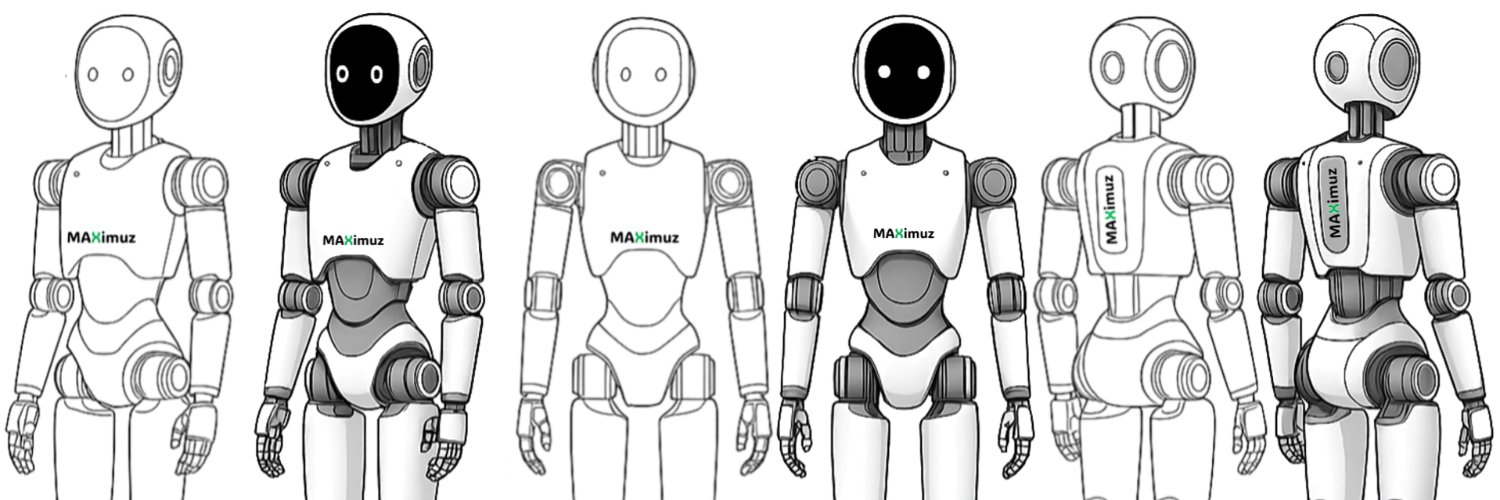
When Digital Meets Physical: Redefining Jobs and Skills
We are entering an era where the boundaries between digital and physical systems blur. Artificial intelligence (AI), humanoid robotics, and advanced automation are no longer confined to research labs—they are reshaping global industries, labor markets, and even the social contract of work.
Key Data: The Scope of Transformation
These numbers show that the disruption is not a distant possibility—it is already underway.
Beyond Automation: Augmentation and Transformation
AI is not simply replacing entire professions; rather, it acts at the task level, augmenting human performance in some areas while automating repetitive ones. Clerical and administrative roles face the highest exposure, while professions in data science, cybersecurity, and AI engineering are set to expand.
This dual dynamic—job displacement on one side and job creation on the other—means workers, organizations, and policymakers must focus on skills transformation, adaptability, and governance.
The Rise of Humanoid Robotics
Between 2023 and 2025, humanoid robots have moved from prototypes to industrial pilots. Companies like BMW, Mercedes, Tesla, and Amazon are already testing humanoids for logistics, manufacturing, and repetitive physical tasks.
Sales of professional service robots grew by 30% year-over-year, while industrial robot installations surpassed 500,000 units in 2023. Humanoids are not replacing traditional robotics but complementing them, handling tasks in unstructured environments and enabling closer human-robot collaboration.
Sustainability and Risks
The boom in AI and robotics comes with hidden costs:
Failure to address these environmental impacts risks creating a backlash that undermines both innovation and public trust.
Preparing for the Future of Work
The winners in this transition will be those who combine technological capacity with human judgment, environmental responsibility, and social inclusion. This requires:
The convergence of AI, robotics, and digitalization is not merely a technological revolution; it is a societal redefinition of work. The question is not whether this change will happen—it already is—but whether we will prepare effectively.
The evidence is clear: success will belong to those who invest in people as much as in machines, who design systems with sustainability in mind, and who embrace collaboration between human and artificial intelligence.
The future of work is being written today—and it will be shaped by how we balance efficiency, equity, and environmental responsibility.
About the Author
Chief Growth Officer & Managing Director Europe – Robotics & AI
MAXimuz Technology
With over 20 years of experience in global business development and commercial strategy, Ricardo leads initiatives to drive market entry and revenue growth across IT, SaaS, and industrial technology sectors. His expertise spans robotics, AI, and emerging technology markets.
Follow on LinkedInRelated Articles
Discover Your Ideal Learning Path
Take our interactive quiz and get personalized recommendations based on your level and goals.
Start the Quiz